Feeling a Little Frosty Png Sublimation Review
As someone who has spent years navigating the intersection of digital graphics and physical stitching, I approach every new design asset with a critical eye. The market is flooded with Graphics that look stunning on a screen but fall apart under the needle. When I first encountered Feeling a Little Frosty Png Sublimation, my immediate reaction was to set aside the marketing hype and evaluate its true potential for real-world application. This piece is categorized under Crafts, promising a winter quote in a retro style suitable for sublimation printing on T-shirts, onesies, hoodies, sweatshirts, and long-sleeve tees. But how does this translate when we are talking about tangible, high-quality embroidery projects?
First Impressions: Mood and Visual Weight
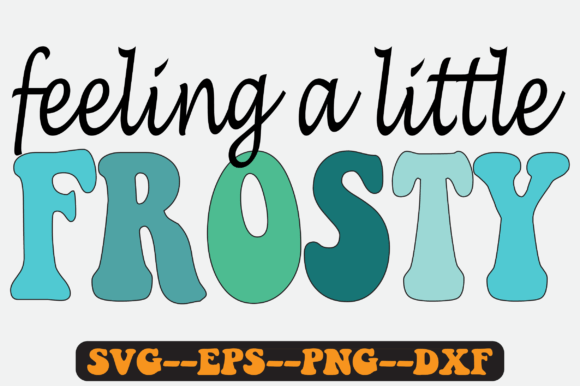
The aesthetic of Feeling a Little Frosty Png Sublimation leans heavily into nostalgia. The retro typography paired with a wintry theme creates a cozy, inviting vibe that resonates well with current trends in seasonal decor and apparel. Visually, the layout is balanced, avoiding the clutter that often plagues quote-based designs. However, as an embroidery designer, I am immediately assessing the line weights and the negative space. In a machine embroidery design, thin lines can disappear if the stitch density is too low or if the fabric texture interferes. The boldness of the retro font suggests it could handle a satin stitch nicely, which would give the finished product a premium, raised look.
When I visualize this as an embroidery file, the challenge lies in maintaining the crisp edges of the lettering without over-stitching. If the design is intended for conversion from a PNG or SVG format to an actual stitch file, the complexity of the curves will determine the final quality. A successful finished product relies on the design's ability to hold its shape after being stitched onto various materials.
Real-World Application: From Screen to Stitch
Let’s imagine a specific scenario: I am preparing a limited run of custom holiday gifts for a local boutique. The client wants a collection of sweatshirt embroidery featuring a winter theme. I decide to test Feeling a Little Frosty Png Sublimation on a heavy cotton fleece hoodie. The retro style fits perfectly with the "vintage winter" trend. However, before committing to the full production run, I must consider how the design behaves on textured fabrics.
Fleece has a nap, meaning the fibers lie in a direction. If the stitch density is too aggressive, the design might pucker the fabric or cause the threads to sink in, losing visibility. Conversely, if the density is too light, the fill stitch may not cover the dark background of the hoodie effectively. For a project like this, using a proper stabilizer is non-negotiable. I would likely opt for a cut-away stabilizer to support the weight of the stitches on the thick fabric, ensuring the custom apparel remains durable through multiple washes.
This design also holds promise for smaller items. Imagine applying it to a tote bag design made of canvas. Canvas is forgiving and provides a sturdy base for embroidery. The retro quote would stand out beautifully against natural beige or navy blue canvas. Alternatively, for a more delicate touch, this could work as baby embroidery on a soft onesie, provided the thread colors are chosen carefully to ensure safety and comfort against sensitive skin. The playful nature of the quote makes it an excellent candidate for a personalized gift that feels thoughtful rather than mass-produced.
Navigating Challenges and Limitations
While Feeling a Little Frosty Png Sublimation offers versatility, there are scenarios where caution is required. Small hoop sizes present a significant risk. If you attempt to stitch the entire design in a 4x4 inch hoop, the lettering may become cramped, leading to registration issues where the running stitch outline does not align perfectly with the fill. Always check the dimensions of the digital embroidery file before starting. If the design is too large for your hoop, you may need to resize it, which can alter the aspect ratio and ruin the retro proportions.
Furthermore, working with stretchy fabrics like jersey knit requires careful consideration. The tension of the machine combined with the elasticity of the fabric can distort the text. In such cases, a water-soluble topping might be necessary to keep the fabric flat during stitching. Dark fabrics also demand attention; while the description mentions printing capabilities, embroidery on dark backgrounds requires a dense underlay to prevent the fabric color from showing through the top stitches. Without this, the thread colors may appear dull or muddy.
Another area of concern is the longevity of the design on items subjected to frequent washing, such as kitchen towels or aprons. If the stitch density is too tight, the fabric around the embroidery may tear over time. It is crucial to balance the visual appeal with structural integrity. For products like holiday embroidery gifts, customers expect the item to last beyond a single season. Ensuring the design is anchored correctly will maintain the professional appearance of the handmade product.
Strategic Advice for Designers and Makers
If you are an Etsy seller or a small shop owner looking to incorporate Feeling a Little Frosty Png Sublimation into your inventory, here are my practical notes for success:
- Test on Scrap Fabric First: Never skip the test run. Stitch the design on a scrap piece of the exact fabric you plan to use. This allows you to adjust the tension, thread type, and stabilizer choice before cutting into expensive material.
- Check Thread Color Contrast: Retro designs often rely on specific color palettes. Ensure your thread colors provide enough contrast against the garment. A light grey thread on a white hoodie will vanish, ruining the visual impact.
- Review Stitch Density: Examine the preview of the embroidery file. Look for areas where stitches might overlap excessively, which can cause puckering. Adjustments in your digitizing software may be needed if the original file is not optimized for your specific machine.
- Confirm Hoop Size: Verify that the design fits comfortably within your largest hoop. If it barely fits, leave extra room for the hooping process to avoid distorting the edges.
- Inspect Small Details: Zoom in on the corners and curves of the letters. Tiny details can get lost in translation from digital graphic to physical thread. Simplify complex elements if necessary to maintain clarity.
- Use Mockups Wisely: Create printable mockup images to showcase how the design looks on different garments. This helps customers visualize the final result and increases buyer engagement.
- Verify Licensing: Before selling commercial embroidery items or digital files, confirm the licensing terms. Some assets are for personal use only, while others allow for commercial resale. Misunderstanding this can lead to legal issues for your craft business.
Final Verdict on Visual Appeal and Value
In the world of handmade goods, presentation is everything. Feeling a Little Frosty Png Sublimation has the potential to elevate a simple sweatshirt into a coveted personalized gift. Its retro charm appeals to a wide demographic, from college students to parents looking for seasonal nursery decor. When executed correctly with proper stabilizer and technique, the design adds significant value to the finished product.
However, the design is only as good as the execution. A poorly stitched version can damage the reputation of your brand, whereas a clean, professional stitch enhances customer trust and encourages repeat business. Whether you are creating an embroidered patch for a hat, decorating a pillow cover, or producing a batch of custom apparel for a craft fair, the key lies in respecting the limitations of the medium. By treating Feeling a Little Frosty Png Sublimation as a versatile tool rather than a magic solution, you can create high-quality items that stand out in a crowded marketplace.
Ultimately, this design asset offers a strong foundation for winter-themed projects. With careful planning, attention to detail, and a commitment to quality craftsmanship, it can become a staple in your collection of design assets. Just remember: the difference between a good product and a great one often comes down to the small choices you make before the needle even touches the fabric.