Grandpa Cooler: A Designer's Real-World Embroidery Review
As a professional designer who spends hours curating assets for client projects and my own craft business, I approach every new machine embroidery design with a critical eye. It is not enough for a file to look good on a screen; it must translate beautifully into thread and fabric. Recently, I evaluated the Grandpa Cooler graphics package, a digital asset promising a blend of grandfather sentiment and modern style. Before you download this embroidery file or commit to a production run, let me walk you through how this design performs in real-world scenarios, from the initial vector inspection to the final stitched product.
First Impressions: Mood and Visual Personality
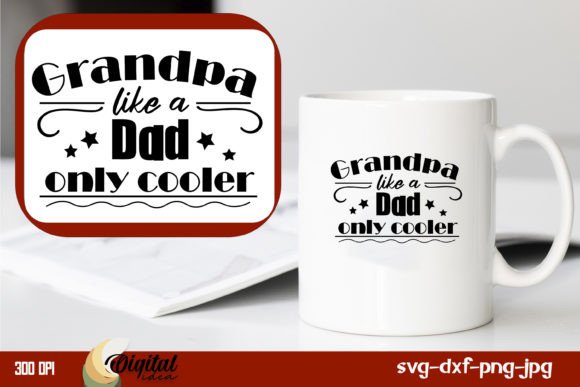
When I first opened the Grandpa Cooler SVG in my vector software, the immediate impression was one of warmth mixed with a touch of playful nostalgia. The layout balances text and iconography in a way that suggests it belongs in the realm of personalized gifts rather than high-fashion streetwear. The lines are clean, which is crucial when converting a Graphics file into a stitchable path. For an Etsy seller or a small shop owner looking to expand their Father's Day or holiday collection, this design offers a distinct visual personality. It feels like a design meant to be cherished, perhaps by a grandson or granddaughter creating a special keepsake.
The aesthetic leans towards the "cool grandpa" archetype—approachable, fun, and slightly retro. This makes it versatile for various Crafts applications. However, the true test of any design lies in its execution. Does the shape hold up when converted to satin and fill stitches? Does the typography remain legible at smaller scales? These are the questions I asked myself before moving to the machine.
Testing the Design: From File to Fabric
To truly understand the potential of Grandpa Cooler, I simulated a project workflow. Imagine you are preparing a custom embroidered tote bag for a local craft fair. You want something that stands out but remains readable from a distance. I loaded the design into my digitizing software to check the node count and curve smoothness. The vectors were robust, suggesting that the conversion to a digital embroidery file would result in smooth curves rather than jagged edges.
In a hypothetical scenario where I am stitching this onto a heavy cotton sweatshirt, the design's weight appears appropriate. The thicker elements of the graphic would likely benefit from a dense fill stitch to ensure coverage over the looped texture of fleece. Conversely, the finer details in the quote portion would require a precise running stitch or a very fine satin column to maintain definition. If you plan to use this for sweatshirt embroidery, ensure your machine can handle the density without puckering the fabric.
I also considered using Grandpa Cooler for an embroidered patch. Patches often require higher stitch density and stronger underlays to prevent fraying. The bold outlines in this design suggest it could work well as a detachable accessory for denim jackets or backpacks. The visual appeal here is high because the design has a clear silhouette, which is essential for patches that need to pop against different backgrounds.
Where This Design Shines
- Custom Apparel: The design fits perfectly on adult-sized t-shirts and hoodies, offering a great balance of size and detail for custom apparel lines.
- Tote Bag Design: Its square-ish aspect ratio works naturally on the front panel of canvas tote bags, making it a top contender for handmade products.
- Holiday Gifts: As a personalized gift, this design carries emotional weight, perfect for Christmas stockings or birthday presents.
- Small Shop Product: For boutique owners, this serves as an excellent addition to a seasonal collection without requiring complex customization.
Navigating Challenges: Where Caution Is Needed
While Grandpa Cooler is a strong asset, it is not a magic bullet for every situation. As an experienced decorator, I know that context is everything. One area of concern is the hoop size. If the design includes intricate text within the quote, shrinking it too much for a 4x4 hoop could lead to illegible lettering. Always check the dimensions against your specific machine capabilities before committing to a project.
Fabric choice is another critical factor. On textured fabrics like linen or heavy denim, the finer details might get lost unless you adjust the stitch density. Similarly, on stretchy materials like jersey knit, the design requires a cutaway stabilizer to prevent distortion during the stitching process. Without proper stabilization, the threads might pucker, ruining the professional finish of your finished product.
Dark fabrics present their own challenge. While the design looks great in black and white mockups, stitching light-colored thread on dark fabric requires careful planning. You may need to add a layer of backing or choose a contrasting thread palette to ensure visibility. Additionally, if you are considering this for baby embroidery items, ensure there are no loose threads or sharp points that could irritate sensitive skin.
Practical Notes for the Professional Maker
Before you integrate Grandpa Cooler into your commercial workflow, follow these practical steps to ensure quality and consistency:
- Test on Scrap Fabric: Never skip the test run. Stitch the design on a scrap piece of the exact fabric you intend to use. This allows you to check for tension issues, color bleeding, and overall clarity.
- Review Thread Colors: Experiment with different thread colors to see how they interact with the design's mood. A navy blue outline might feel more sophisticated than bright red.
- Check Licensing: Since this comes as a zip folder with multiple formats (SVG, DXF, EPS, PDF, JPEG, PNG), verify the license terms. Can you sell the finished items? Are there restrictions on reselling the design assets themselves?
- Inspect Small Details: Zoom in on the digital file to ensure that tiny letters or thin lines will not break apart during stitching. Sometimes, manual adjustments in the digitizing software are necessary.
- Use Proper Stabilizer: Whether you are doing applique design techniques or standard embroidery, the right stabilizer is the backbone of a successful project.
Impact on Brand and Customer Trust
For a craft business, the quality of your embroidery directly impacts customer trust. A well-executed Grandpa Cooler project signals professionalism and attention to detail. When a customer receives a personalized gift with crisp, clear stitching, they are more likely to return for future purchases. The design's versatility allows you to create cohesive collections, whether you are selling printable mockups online or physical goods at a craft fair.
Furthermore, the emotional resonance of the "Grandpa" theme can drive sales during key seasons. By positioning this design as a heartfelt tribute, you increase its perceived value. Customers are willing to pay a premium for items that tell a story. The Grandpa Cooler graphics provide that narrative hook, transforming a simple piece of fabric into a meaningful memory.
Final Verdict
In conclusion, Grandpa Cooler is a valuable addition to any designer's library, provided it is used with intention and technical care. It excels in projects that prioritize sentiment and readability, such as tote bag designs, sweatshirts, and commemorative patches. However, it demands respect for the limitations of embroidery technology. Do not rush the digitizing process, do not ignore the importance of stabilizers, and always test your settings.
If you are an Etsy seller or a creative entrepreneur looking to add depth to your catalog, this design offers a solid foundation. With the right execution, Grandpa Cooler can become a bestseller in your shop, delighting customers with its charm and durability. Remember, the best embroidery project is one where the design, the fabric, and the technique come together in perfect harmony. Let this review guide your next creative endeavor.