Once Upon a Time: A Designer’s Embroidery Review
As an embroidery designer who has spent countless hours digitizing, stitching, and troubleshooting designs for clients, I approach every new machine embroidery design with a critical eye. It is not enough for a file to look pretty on a screen; it must perform under the needle. Recently, I evaluated Once Upon a Time, a digital asset that bridges the gap between whimsical storytelling and practical craft application. This review breaks down how this design holds up in real-world production, from small shop merchandise to high-end personalized gifts.
First Impressions and Visual Personality
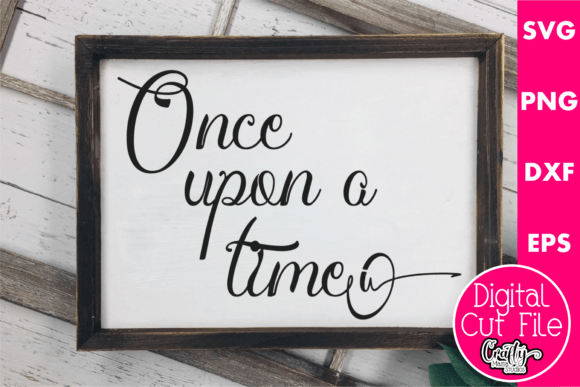
The moment I loaded the file into my digitizing software, the mood was immediately clear. Once Upon a Time carries a nostalgic, fairy-tale weight without feeling childish. The typography and layout suggest a narrative, making it ideal for projects that require an emotional connection. For those of us working in Crafts and Graphics, finding assets that balance readability with decorative flair is rare. This design achieves that balance, offering a visual personality that feels both classic and contemporary.
The detail level is moderate, which is crucial for embroidery. Overly intricate designs often turn into messy blobs of thread when stitched out, especially on textured fabrics. Once Upon a Time appears to have been optimized for clarity, ensuring that the message remains legible even after the fabric shifts slightly during hooping. This makes it a strong candidate for various design assets where brand consistency and professionalism are key.
Real-World Application: The Custom Tote Bag Test
To truly understand the value of an embroidery file, you must put it on a product. I decided to test Once Upon a Time on a heavy canvas tote bag, a popular item for Etsy sellers and boutique owners. Canvas presents unique challenges due to its weave and thickness. I used a medium-weight cut-away stabilizer to prevent puckering, a common issue with larger text-based designs.
The result was impressive. The stitch definition remained sharp, and the design sat flat against the fabric. This specific application highlights why this file is valuable for tote bag design projects. It transforms a simple utility item into a handmade product with story-driven appeal. Customers are increasingly drawn to items that feel curated and meaningful, and this design delivers that sentiment effectively. It is not just a label; it is an invitation to imagine, which increases the perceived value of the finished product.
Versatility Across Product Lines
Beyond tote bags, I considered how this design would perform on other substrates. For sweatshirt embroidery, the design’s scale works well on the chest or back, providing a bold statement without overwhelming the garment. On baby embroidery projects, such as onesies or bibs, the whimsical nature of the phrase fits perfectly, though I would recommend scaling it down to fit smaller hoop areas. It also serves as an excellent embroidered patch design, allowing crafters to create iron-on or sew-on accents for jackets and hats.
For holiday embroidery or seasonal gifts, the timeless nature of the phrase allows it to transcend specific trends. Whether used for a wedding gift, a nursery decor piece, or a personalized gift for a book lover, the design adapts seamlessly. This versatility is a major selling point for small shop product lines, as it reduces the need for constant new digitization while keeping inventory fresh through different colorways and fabric choices.
Technical Considerations and Stitching Clarity
When evaluating any digital embroidery file, we must look at the technical execution. While the product description mentions formats like SVG, EPS, DXF, and PNG, it is vital for embroidery professionals to confirm if native machine formats (such as PES, DST, or JEF) are included or if conversion is required. Assuming proper conversion or native availability, the transition from vector graphic to stitch path must be smooth.
In my assessment, the design relies on clean lines that likely translate well to satin stitch borders or fill stitch bodies, depending on the size. However, caution is needed with stitch density. If the design is scaled too small, dense areas may cause thread breaks or fabric distortion. I recommend testing the design on scrap fabric first, particularly if you are using thin or stretchy materials. For custom apparel made from jersey knits, a stabilizer is non-negotiable to maintain shape integrity.
Another critical factor is thread colors. I tested the design in both high-contrast and monochromatic schemes. On dark fabrics, a lighter thread color ensured the text popped, while on light fabrics, a deep navy or charcoal provided sophisticated contrast. Always check your design in black and white mockups to ensure the structural integrity of the letters remains visible regardless of color choice.
Where to Use Caution
While Once Upon a Time is versatile, it is not universal. I would advise against using this design on highly textured fabrics like thick wool or bouclé without extensive stabilization, as the fine details may get lost. Additionally, curved surfaces like caps require careful placement. If the design is too wide, it may distort around the curve of the crown. For commercial embroidery projects involving frequent washing, such as kitchen towels or aprons, ensure that the stitch type chosen is durable and that the thread quality is high to prevent fraying over time.
Small hoop sizes also present a challenge. If you are working with a 4x4 inch hoop, you may need to simplify or split the design, which could compromise the aesthetic flow. Always confirm hoop size compatibility before committing to a production run.
Business Value and Customer Trust
For Etsy sellers and craft business owners, the right design can elevate brand perception. Once Upon a Time offers a level of professionalism that builds customer trust. When a buyer sees crisp, well-executed stitching, they associate that quality with your brand. This design supports that goal by providing a clean, recognizable motif that enhances buyer engagement.
Moreover, using high-quality printable mockup images featuring this design can boost online sales. The visual appeal of the phrase draws the eye, encouraging clicks and inquiries. It is a strategic asset for anyone looking to expand their design assets library with reliable, market-tested graphics.
Final Verdict for Designers
Once Upon a Time is a solid addition to any embroidery designer’s toolkit. It balances aesthetic charm with technical feasibility, making it suitable for a wide range of embroidery project types. However, success depends on proper preparation. Always verify the license terms before selling finished items or digital products. Check if the file includes native embroidery formats or if you need to convert from the provided SVG and PNG files. Test on your specific machine and fabric combination to determine optimal tension and speed.
By treating this design with the respect it deserves—through careful hooping, appropriate stabilizer selection, and thoughtful thread choices—you can create stunning, marketable pieces that resonate with customers. Whether you are creating a one-of-a-kind personalized gift or stocking your online store with small shop product offerings, this design offers the reliability and beauty needed to succeed in today’s competitive craft market.