Review: The Best is Yet to Come – Retro Embroidery Design
As a designer who spends more time staring at stitch maps than actual fabric, I have learned that not every digital file translates well to thread. We have all been there: you download a stunning graphic, load it into your machine, and watch in horror as the satin stitches pull the fabric or the tiny details turn into a bird’s nest of tangled thread. This is why I approach every new machine embroidery design with a mix of optimism and skepticism. Recently, I evaluated The Best is Yet to Come – Retro, and I want to share my practical thoughts on how this piece performs in real-world scenarios.
First Impressions: Mood and Visual Personality
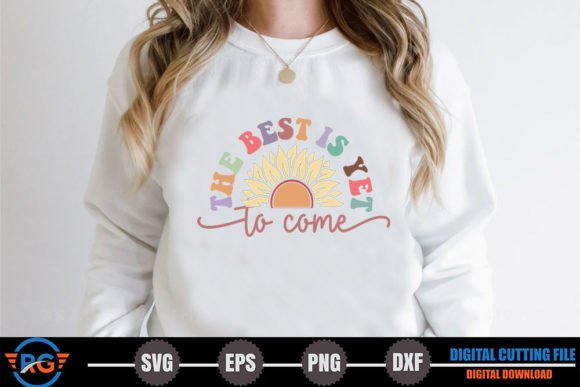
The moment I opened the zip file containing the SVG, EPS, DXF, and PNG formats, the retro aesthetic jumped out. The typography carries a nostalgic weight, reminiscent of mid-century signage or vintage motivational posters. For an embroidery project, this is crucial. You are not just stitching letters; you are stitching a vibe. The layout feels balanced, with enough negative space to allow the thread to breathe without looking sparse.
What stands out immediately is the potential for color play. Since the files are 100% editable and color changeable, you are not locked into a single palette. In my initial mockups, I tested high-contrast combinations like mustard yellow on charcoal grey, which emphasized the retro feel, and soft pastels on white cotton for a gentler, nursery-appropriate look. The visual personality of The Best is Yet to Come – Retro is versatile, bridging the gap between bold statement pieces and subtle, meaningful accents.
Real-World Application: From Tote Bags to Sweatshirts
To truly understand the value of a design, you must imagine it on a finished product. I envisioned using this quote on a heavy canvas tote bag. The sturdy texture of canvas supports the density of the stitches well, preventing puckering. The phrase "The Best is Yet to Come" serves as an uplifting message, making the bag an ideal personalized gift for graduates, new entrepreneurs, or anyone starting a new chapter.
I also considered its application on custom apparel, specifically sweatshirt embroidery. A chest-left placement would work beautifully here, offering a professional yet personal touch. For Etsy sellers and small shop owners, this design fits perfectly into the category of inspirational merchandise. It appeals to buyers looking for more than just decoration; they want sentiment. Whether it is for holiday embroidery gifts or everyday wear, the design holds its own because the message is universal and the style is timeless.
Navigating Fabric and Hoop Constraints
However, practical design judgment requires acknowledging limitations. While the design is robust, you must be mindful of where you place it. On stretchy fabrics like jersey knits, proper stabilization is non-negotiable. Without a cut-away stabilizer, the weight of the thread could distort the garment over time. I would advise against using this on very thin, sheer fabrics unless you are experienced with backing techniques, as the stitch density might show through or cause pulling.
Curved surfaces present another challenge. If you plan to use this on caps or hats, ensure your hoop size accommodates the full width of the text. Compressing the design to fit a smaller hoop can distort the retro letterforms, ruining the aesthetic. Always check the dimensions of the provided files against your machine’s maximum hoop capacity before purchasing or committing to a project. For baby embroidery, such as on onesies or bibs, consider scaling the design down significantly and simplifying the thread colors to keep it soft and safe for delicate skin.
Stitching Clarity and Commercial Viability
For commercial embroidery projects, clarity is king. Customers need to read the message instantly. The letterforms in The Best is Yet to Come – Retro are distinct, which helps maintain legibility even after washing. However, you should always test the design on scrap fabric first. Check how the satin stitch edges hold up and whether any running stitch elements provide enough structure without adding unnecessary bulk.
From a business perspective, this design adds value to handmade products. It elevates a simple item into a branded asset. For craft business owners, having a design that is both visually appealing and emotionally resonant can drive buyer engagement. It works well for boutique branding, where consistency in style helps build customer trust. When you present a high-quality embroidered patch or a neatly stitched apron featuring this quote, it signals professionalism and attention to detail.
Designer Notes for Best Results
- Test on Scrap Fabric: Always run a test stitch-out on the same type of fabric you intend to use for the final product. This reveals issues with tension or density before you ruin good material.
- Check Thread Contrast: The retro style relies on visibility. Ensure your thread colors contrast sufficiently with the fabric background. Dark threads on dark fabrics will get lost.
- Review Stitch Density: If the design feels too dense, consider adjusting the pull compensation or density settings in your software if you have the expertise, or choose a lighter weight fabric that can handle the thread volume.
- Confirm Licensing: Before selling finished items or digital products, verify the license terms associated with the download. While the files are editable, commercial use rights vary by creator.
- Mockup Testing: Use black and white mockups to check the balance of the design without the distraction of color. This helps ensure the layout works structurally.
Final Verdict for Makers and Sellers
In the world of Crafts and Graphics, finding a design that balances aesthetic appeal with technical feasibility is rare. The Best is Yet to Come – Retro succeeds because it offers flexibility. The inclusion of multiple file formats like SVG and EPS means you are not limited to embroidery; you can use these assets for printable mockups, vinyl cutting, or digital product previews. This versatility makes it a valuable addition to your design assets library.
For the hobbyist, it is a fun, inspiring project that looks impressive without requiring advanced skills. For the professional, it is a reliable tool for creating marketable goods. Just remember to respect the materials. Choose the right stabilizer, match your thread quality to the fabric texture, and take the time to hoop correctly. When you do, this design delivers a finished product that feels premium and heartfelt. It is a solid choice for anyone looking to add a touch of retro optimism to their next creation.