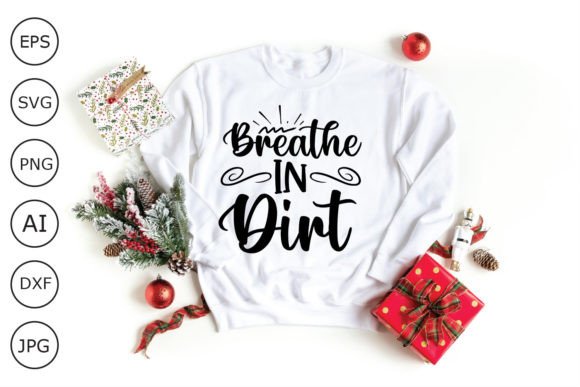
Breathe in Dirt SVG: A Designer’s Stitch Review
When I first pulled up the Breathe in Dirt Svg file on my workstation, I wasn’t looking for another generic botanical clipart. As an embroidery designer who spends half my life digitizing and the other half troubleshooting thread breaks, I look for designs that translate well from screen to stitch. This particular piece caught my eye not just because of the trending gardening theme, but because of its potential versatility in a real-world craft business context. It sits squarely in the Crafts category, but its application goes far beyond simple home decor.
First Impressions and Visual Personality
The immediate mood of this design is grounded and slightly irreverent. The phrase "Breathe in Dirt" plays on the popular mindfulness mantra, swapping air for soil, which instantly signals to the viewer that this is for the serious gardener or the proud plant parent. Visually, the layout feels balanced. For a Graphics asset intended for machine embroidery, the spacing between letters and any accompanying botanical elements is crucial. If the kerning is too tight, the stitches will merge into a blob; too loose, and the design lacks cohesion.
In this case, the design appears to have enough breathing room to allow for standard satin or fill stitches without excessive jumping. The aesthetic is clean, making it suitable for both modern minimalist apparel and rustic farmhouse-style home goods. It doesn’t scream for attention with overly complex shading, which is a good sign for embroidery durability. Complex gradients often fail in thread, but bold, clear shapes tend to last through dozens of washes.
Real-World Application: The Tote Bag Test
To truly evaluate a design, I mentally place it on a specific product. Let’s imagine a custom order for a local nursery. They want branded tote bag design options for their spring sale. I visualize the Breathe in Dirt Svg centered on a heavy-duty canvas tote. Canvas has a distinct texture, so the design needs enough weight to stand out against the weave.
If this SVG includes solid leaf shapes or bold lettering, it would likely perform well using a dense fill stitch. However, if the design relies on thin, delicate lines, I would be cautious. On textured fabrics like canvas or linen, fine details can get lost. For a project like this, I would recommend testing the design on a scrap piece of the exact fabric weight before committing to the full production run. The contrast between dark green or earth-tone threads and natural canvas would create a sophisticated, high-end look that elevates the perceived value of the handmade product.
Apparel and Wearable Art
Moving beyond bags, this design has strong potential for custom apparel. Imagine it embroidered on the left chest of a rugged work shirt or across the back of a soft cotton sweatshirt. For sweatshirt embroidery, the fabric is thicker and often fuzzy. Here, stitch density becomes critical. If the design is too dense, it can cause puckering or make the garment stiff and uncomfortable. If it’s too light, the fleece might peek through the stitches.
For a plant lover svg enthusiast, wearing their passion on a cap or hat is common. However, curved surfaces like caps are tricky. The Breathe in Dirt Svg would need to be scaled down significantly for a front-panel cap embroidery. I would advise checking the minimum legible size for the font used in the design. If the letters become smaller than a quarter-inch, they may not stitch out cleanly, especially on structured twill fabric. In such cases, simplifying the design or removing smaller decorative elements might be necessary for a professional finish.
Navigating Fabric and Technical Challenges
Not every fabric behaves the same way. When working with stretchy materials for baby embroidery items, such as onesies or bibs, stability is key. A design with large solid areas can pull the fabric if not properly stabilized. I always recommend using a cut-away stabilizer for stretchy knits to prevent distortion after washing. Since this design appeals to plant mom svg fans who might buy gifts for new parents, ensuring the final product remains soft and flexible is essential for customer satisfaction.
Dark fabrics present another challenge. If you are stitching this design on black or navy blue, you must ensure the thread colors have high contrast. Light greens, creams, or whites would pop, but muted earth tones might disappear. Before running a full batch, I always do a test stitch on a dark scrap to check visibility. This step saves time and prevents wasted materials, a crucial practice for any Etsy seller or small shop owner managing tight margins.
Commercial Viability and Branding
For those running a craft business, consistency is everything. The Breathe in Dirt Svg fits well into a broader collection of gardening-themed assets. It can be paired with other plant quotes svg files to create a cohesive line of products. Whether you are selling embroidered patch items at a craft fair or listing digital files for others to use, the professionalism of the output reflects directly on your brand.
Customers trust clean, well-executed embroidery. A design that stitches out smoothly without excessive thread trims or jumps suggests quality. This builds buyer engagement and encourages repeat purchases. If you are creating printable mockup images for your online store, ensure the digital representation matches the physical reality. Over-promising on detail that the machine cannot deliver leads to returns and negative reviews.
Practical Designer Notes for Best Results
Before you load this file into your machine, take a moment to review the technical specifics. Since exact stitch counts and formats vary by vendor, always check the provided documentation. Here is a checklist for optimal results:
- Test on Scrap Fabric: Always stitch a sample on the same type and weight of fabric you intend to use for the final product.
- Check Thread Contrast: Ensure your thread colors stand out against the background fabric, especially for detailed text.
- Review Stitch Density: Adjust density settings if your machine allows, particularly for thick fabrics like denim or towels.
- Confirm Hoop Size: Make sure the design fits comfortably within your hoop with adequate margin for stabilization.
- Inspect Small Details: Zoom in on the digital file to identify any tiny elements that might not stitch well at smaller scales.
- Use Proper Stabilizer: Match the stabilizer type (cut-away, tear-away, or wash-away) to the fabric structure.
- Verify Licensing: Confirm whether the license allows for commercial use of finished items or digital redistribution.
In conclusion, the Breathe in Dirt Svg is a strong contender for any designer’s library. It balances humor with aesthetic appeal, making it suitable for a wide range of embroidery project types. From rugged outdoor gear to cozy home textiles, it offers flexibility. However, success lies in the execution. By respecting the limitations of your machine and fabric, and by testing thoroughly, you can turn this digital asset into a high-quality finished product that resonates with customers. Whether you are a hobbyist making gifts or a professional scaling a brand, this design rewards careful attention to detail.